
Emerging Applications and Benefits of Virtual Reality in Therapy
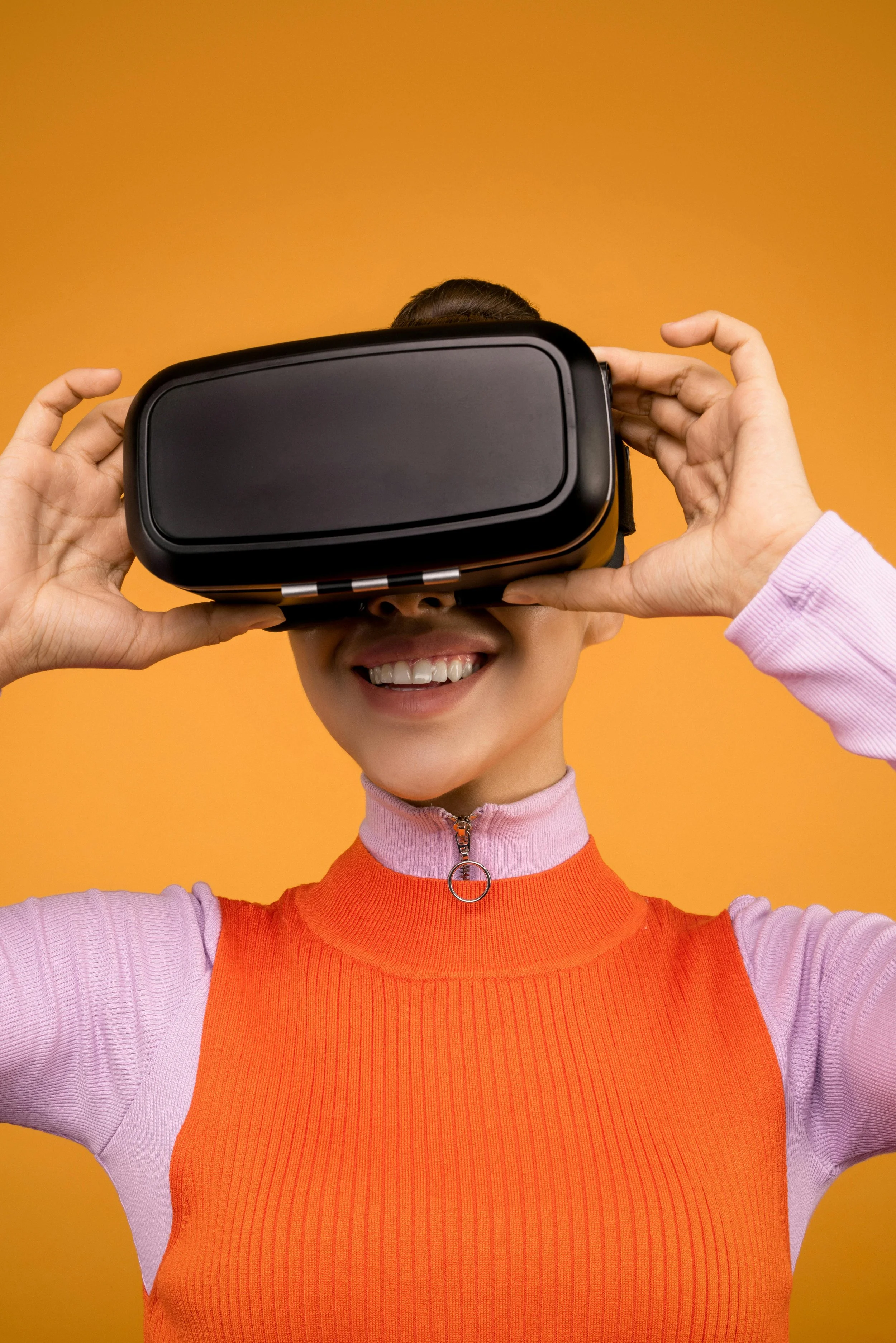
Virtual reality technology has moved far beyond its gaming origins to become a legitimate therapeutic tool with growing evidence supporting its clinical applications. For mental health professionals accustomed to traditional talk therapy or even exposure-based interventions, VR represents a paradigm shift in how we can create controlled therapeutic experiences. As the technology becomes more accessible and research continues validating its effectiveness, clinicians need to understand both the potential applications and practical considerations of incorporating virtual reality into their therapeutic work.
Understanding Virtual Reality Technology in Clinical Contexts
Virtual reality creates immersive, computer-generated environments that users experience through specialized headsets and sometimes additional equipment like hand controllers or haptic feedback devices. Unlike simply viewing content on a screen, VR provides a sense of presence. Users feel as though they're actually within the virtual environment rather than observing it from outside. This sense of presence makes VR uniquely powerful for therapeutic applications, particularly those involving exposure, skill practice, or experiential learning.
The technology has evolved rapidly over the past decade. Early VR systems required expensive equipment, substantial technical expertise, and significant physical space. Contemporary VR systems are increasingly affordable, user-friendly, and compact. Some therapeutic VR applications now run on standalone headsets that require no external computers or complex setup, making the technology practical for clinical offices that previously couldn't have accommodated bulky systems.
Clinical VR applications differ substantially from consumer gaming platforms. Therapeutic VR programs are designed with specific clinical objectives, often developed in collaboration with mental health professionals and researchers. These applications incorporate evidence-based therapeutic principles, allow for graduated exposure and customization based on client needs, include physiological monitoring and data collection, and provide controls for clinicians to adjust experiences in real time.
Evidence Base for VR in Mental Health Treatment
Research supporting VR applications in mental health has expanded considerably, with the strongest evidence existing for anxiety disorders, particularly specific phobias and PTSD. Multiple studies demonstrate that VR exposure therapy produces outcomes comparable to traditional in vivo exposure while offering several practical advantages. Clients who might refuse or struggle to access real-world exposure situations often find VR more acceptable and accessible.
For specific phobias such as fear of flying, heights, or enclosed spaces, VR allows controlled, graduated exposure without the logistical challenges of accessing actual feared situations. A client with fear of flying can experience multiple simulated flights in a single therapy session, with the clinician adjusting turbulence levels, weather conditions, and other variables to match the client's readiness for increased challenge. This level of control and repeatability is impossible to achieve with real-world exposure.
PTSD treatment has shown particularly promising results with VR applications. Virtual reality exposure therapy allows trauma survivors to revisit traumatic memories in a controlled, safe environment while processing associated emotions and cognitions. Studies with combat veterans, motor vehicle accident survivors, and other trauma populations demonstrate significant symptom reduction following VR-based exposure therapy. The technology allows clinicians to recreate trauma-relevant contexts more precisely than traditional imaginal exposure while maintaining the safety and control necessary for effective trauma processing.
Beyond anxiety and trauma, emerging research explores VR applications for depression, substance use disorders, eating disorders, pain management, and social skills training. While evidence in these areas is less robust than for anxiety disorders, preliminary findings suggest potential benefits that warrant continued investigation and careful clinical application.
Clinical Applications Across Presenting Concerns
Anxiety Disorders and Phobias
VR excels at creating controlled exposure experiences for clients with anxiety disorders. Beyond specific phobias, VR shows promise for social anxiety disorder through simulated social situations like public speaking, job interviews, or social gatherings. Clients can practice anxiety management skills repeatedly in situations that closely approximate real-world challenges, with the clinician adjusting difficulty levels to maintain optimal therapeutic challenge.
Panic disorder treatment can incorporate VR environments that trigger physical sensations associated with panic or simulate situations clients avoid due to fear of panic attacks. This allows for interoceptive exposure and situational exposure within the safety of the therapy office, helping clients learn that panic sensations are uncomfortable but not dangerous.
Trauma and PTSD
VR trauma therapy typically involves creating customized virtual environments that approximate the traumatic event's context. Combat veterans might experience virtual combat scenarios, while motor vehicle accident survivors could be exposed to simulated driving situations. The clinician controls the intensity and duration of exposure, supporting the client through the processing of traumatic memories while monitoring distress levels.
This approach offers several advantages over traditional imaginal exposure. Some trauma survivors struggle to adequately engage with traumatic memories through imagination alone, finding that VR's immersive quality facilitates more effective processing. The visual and auditory elements of VR can activate trauma-related neural networks more effectively than verbal descriptions, potentially accelerating the processing of traumatic material. However, this increased activation requires careful clinical judgment and appropriate pacing to avoid overwhelming clients.
Pain Management and Medical Applications
Therapeutic VR applications for pain management have gained traction in medical settings, with applications extending to mental health contexts. VR can provide distraction during painful medical procedures, teach relaxation and pain management techniques through immersive environments, reduce anticipatory anxiety before medical procedures, and support rehabilitation through gamified physical therapy exercises.
The immersive nature of VR appears to reduce pain perception through multiple mechanisms, including attentional distraction, relaxation promotion, and possibly through neuromodulatory effects. Mental health professionals working in integrated care settings or with clients managing chronic pain conditions may find VR a valuable adjunct to traditional pain management interventions.
Skills Training and Rehearsal
VR offers unique opportunities for practicing social, emotional, and behavioral skills in realistic contexts. Clients can rehearse difficult conversations, practice assertiveness skills in simulated workplace environments, develop emotion regulation strategies within emotionally evocative scenarios, or build confidence through repeated successful navigation of challenging situations.
This application proves particularly valuable for clients with social anxiety, autism spectrum disorders, or other conditions affecting social functioning. The ability to practice repeatedly without real-world consequences reduces performance anxiety while building competence and confidence. Clinicians can provide immediate feedback and coaching, then have clients retry scenarios incorporating new strategies.
Practical Implementation Considerations
Implementing VR therapy requires investment in appropriate equipment, though costs have decreased substantially. Basic VR setups require a VR headset, which ranges from smartphone-based systems to high-end standalone or PC-connected devices. Therapeutic VR software designed for clinical applications represents an additional cost, with some platforms requiring ongoing subscriptions. Space requirements vary, with some applications needing only seated experiences while others benefit from larger movement areas.
Clinicians should research different systems before investing, considering factors like ease of use, available clinical applications, client comfort and hygiene, technical support availability, and compatibility with existing office technology. Some VR therapy companies offer equipment leasing or package deals that include both hardware and software, potentially making implementation more accessible for practices with limited capital.
Using VR effectively requires more than technical proficiency. Clinicians need training in the therapeutic protocols associated with VR applications, understanding of how to integrate VR with evidence-based treatment approaches, ability to monitor and manage client distress during immersive experiences, knowledge of contraindications and potential adverse reactions, and skills in troubleshooting both technical and clinical challenges that arise during VR sessions.
Many VR therapy platforms offer training programs, ranging from online tutorials to intensive workshops. Clinicians considering VR implementation should seek appropriate training before using the technology with clients. As with any therapeutic tool, competence requires both understanding the technology and knowing how to integrate it meaningfully within evidence-based treatment frameworks. Pursuing continuing education in VR applications helps clinicians develop this specialized competence.
VR therapy isn't appropriate for all clients. Clinicians must carefully screen for contraindications and assess client suitability. Potential contraindications include seizure disorders triggered by visual stimuli, severe balance or vestibular disorders, current psychotic symptoms or active dissociation, and certain visual impairments or physical disabilities. Some clients may experience simulator sickness, which includes symptoms like nausea, dizziness, or disorientation similar to motion sickness.
Even among clients without contraindications, individual differences in comfort with technology, openness to novel interventions, and ability to engage with virtual environments affect VR therapy's suitability. Thorough informed consent processes should explain what VR therapy involves, potential risks and benefits, and alternatives to VR-based interventions.
VR works best as a component of comprehensive, evidence-based treatment rather than as a standalone intervention. The technology enhances traditional therapeutic approaches rather than replacing them. For exposure-based treatments, VR provides a tool for conducting exposures within a broader cognitive-behavioral framework. Clinicians still need to provide psychoeducation, teach anxiety management skills, process clients' experiences, and support generalization to real-world situations.
This integration requires thoughtful treatment planning that considers when VR exposures are most appropriate, how to sequence virtual and real-world exposures, what processing should occur before and after VR sessions, and how to measure progress and adjust treatment accordingly. VR should enhance rather than complicate treatment, serving clinical objectives rather than being used simply because the technology is available.
Ethical and Privacy Considerations
1. Informed Consent for VR Therapy
Standard informed consent processes require adaptation for VR applications. Clients need to understand what VR therapy involves, including the immersive nature of the experiences and potential physical reactions. Consent discussions should address the experimental nature of some VR applications, alternatives to VR-based treatment, data collection and storage associated with VR platforms, and their right to discontinue VR experiences at any time.
Some clients may have misconceptions about VR based on entertainment applications or science fiction. A clear explanation helps clients develop realistic expectations about what VR therapy involves and what outcomes they might expect.
2. Data Privacy and Security
Many VR therapy platforms collect detailed data about user interactions, including physiological responses, movement patterns, eye tracking, and behavioral choices within virtual environments. Clinicians must understand what data their VR systems collect, how that data is stored and protected, whether data is shared with third parties, and how data security aligns with HIPAA and other privacy regulations.
Technology considerations in mental health practice extend to VR applications, requiring careful attention to protecting client privacy while leveraging technology's therapeutic benefits. Clinicians should thoroughly review the privacy policies of VR platforms before implementation and consider how VR data storage integrates with their broader practice management and record-keeping systems.
3. Managing Adverse Reactions
While generally safe, VR can occasionally produce adverse reactions that clinicians must be prepared to manage. Simulator sickness affects some users, particularly during longer sessions or with certain types of virtual movement. Symptoms typically resolve quickly after removing the headset, but clinicians should monitor for these reactions and adjust session length or content accordingly.
More concerning are cases where VR exposure triggers intense anxiety or dissociation beyond therapeutic levels. Clinicians using VR for trauma or anxiety treatment need strong skills in managing acute distress, clear protocols for when to discontinue VR experiences, and strategies for helping clients return to baseline before leaving sessions. Having a colleague available for consultation or support during initial VR sessions can provide additional safety while clinicians develop proficiency with the technology.
Future Directions and Emerging Applications
VR technology continues evolving rapidly, with several developments likely to impact therapeutic applications. Improved haptic feedback will create more realistic tactile experiences, potentially enhancing presence and therapeutic impact. Artificial intelligence integration may allow for more dynamic, responsive virtual environments that adapt in real time to client responses. Social VR platforms could enable group therapy or support group meetings in shared virtual spaces, potentially increasing access for clients with transportation or mobility limitations.
Biometric integration represents another promising direction, with VR systems incorporating real-time heart rate variability, skin conductance, or other physiological measures. This data could help clinicians monitor client arousal levels during exposures and adjust intensity accordingly, potentially optimizing therapeutic challenge while minimizing risk of overwhelming clients.
As technology improves and becomes more affordable, VR therapy may become increasingly accessible to private practitioners and community mental health settings that currently lack resources for implementation. This democratization of access could substantially expand the number of clients who might benefit from VR-enhanced treatment.
Cost-Benefit Analysis for Practices
Mental health professionals considering VR implementation should carefully evaluate costs and potential benefits. Initial investments include hardware costs, software licenses and subscriptions, training and continuing education, and space modifications if needed. Ongoing costs involve software updates and subscriptions, equipment maintenance and replacement, and continuing education to stay current with applications.
Potential benefits that offset these costs include the ability to offer specialized services that differentiate your practice, potential for increased referrals from clients seeking VR-based treatment, improved treatment outcomes for appropriate clients, and reduced treatment duration for some presentations, potentially increasing practice capacity. Some clinicians find that offering VR therapy allows them to command slightly higher session fees, though this varies by market and client population.
Practices might start with limited VR implementation focused on specific applications where evidence is strongest, gradually expanding as comfort with the technology increases and return on investment becomes apparent. Pilot programs with carefully selected clients help determine whether VR fits your practice style and client population before making substantial investments.
Conclusion
Virtual reality represents an exciting frontier in mental health treatment, offering tools for creating controlled therapeutic experiences that were previously impossible or impractical. As evidence supporting VR applications continues growing and technology becomes more accessible, mental health professionals have opportunities to enhance their therapeutic offerings through thoughtful VR integration.
Success requires balancing enthusiasm for innovation with careful attention to evidence, ethics, and practical implementation considerations. For clinicians willing to invest in appropriate training and equipment, VR offers powerful ways to help clients confront fears, process trauma, develop skills, and achieve therapeutic goals within the safety and control of the therapy office.
Ready to expand your clinical toolkit? Explore our continuing education courses designed specifically for mental health professionals.
